What to Do After Storm Damage: A Homeowner's Guide to Roof Inspections and Insurance Claims
Storm damage to your roof? Here's exactly what to do first, how the insurance claim process works, and how to avoid the mistakes that cost homeowners money.
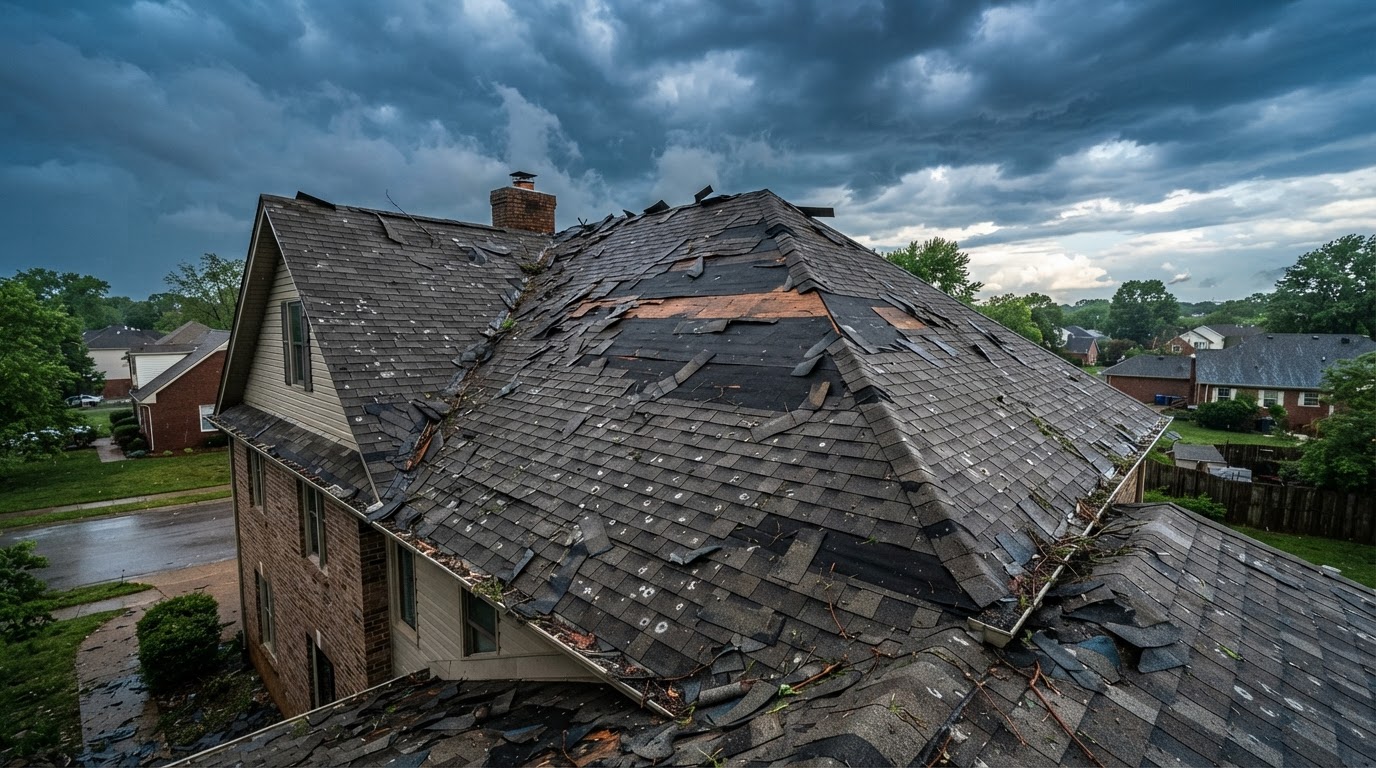
Quick answer: If your roof has storm damage, don't wait to act, but don't rush to sign anything either. Document the damage with photos, arrange a professional roof inspection before you call your insurance company, and get a written scope of damage in hand before an adjuster shows up. Homeowners who skip the inspection step are the ones who end up underpaid or denied.
Storms Hit the Ohio Valley Hard, and Roofs Take the Damage First
If you live anywhere from Louisville through Northern Kentucky and into Greater Cincinnati, you already know the region's weather doesn't hold back. Spring and summer bring fast-moving thunderstorms, straight-line winds, and hail that can strip shingles or bruise them badly enough to fail years early. Winter adds ice buildup along eaves and valleys. A roof that looked fine in the fall can be quietly compromised by the time storm season passes through.
The problem is that storm damage isn't always obvious from the ground. A few missing shingles are easy to spot. Bruised shingle mats, lifted seals, and damaged flashing are not — and those are exactly the kinds of damage that lead to leaks six months later, long after the storm that caused them.
Signs Your Roof May Have Storm Damage
Before you get on a ladder (please don't — this is exactly the kind of inspection that should be left to a professional), here's what to look for from the ground and from inside your home:
- Shingles that are missing, cracked, curling, or visibly out of place
- Granules collecting in gutters or at the base of downspouts, which signals shingle wear from hail or wind
- Dented gutters, downspouts, or metal roof vents — a strong indicator hail also hit the shingles
- Water stains on ceilings or in the attic, even faint ones
- Daylight visible through the roof deck from inside the attic
- Soft spots or sagging when walking near the attic access
- Debris, tree limbs, or visible dents on the roof surface after a storm
Any one of these is a reason to get a professional inspection. Several of them together usually mean it's time to file a claim.
What to Do in the First 24-48 Hours
Address safety and prevent further damage first.
If there's an active leak, place a bucket or tarp to limit interior damage, and photograph the damage before you cover anything. Most insurance policies require you to take reasonable steps to prevent additional damage, so this step protects your claim, not just your ceiling.
Photograph everything.
Take wide shots of the whole roof from the ground (front, back, both sides) and close-ups of anything visibly damaged. Photograph interior water damage too. Timestamped photos are some of the strongest evidence you can have if a claim is ever disputed.
Get a professional roof inspection before you call your insurance company.
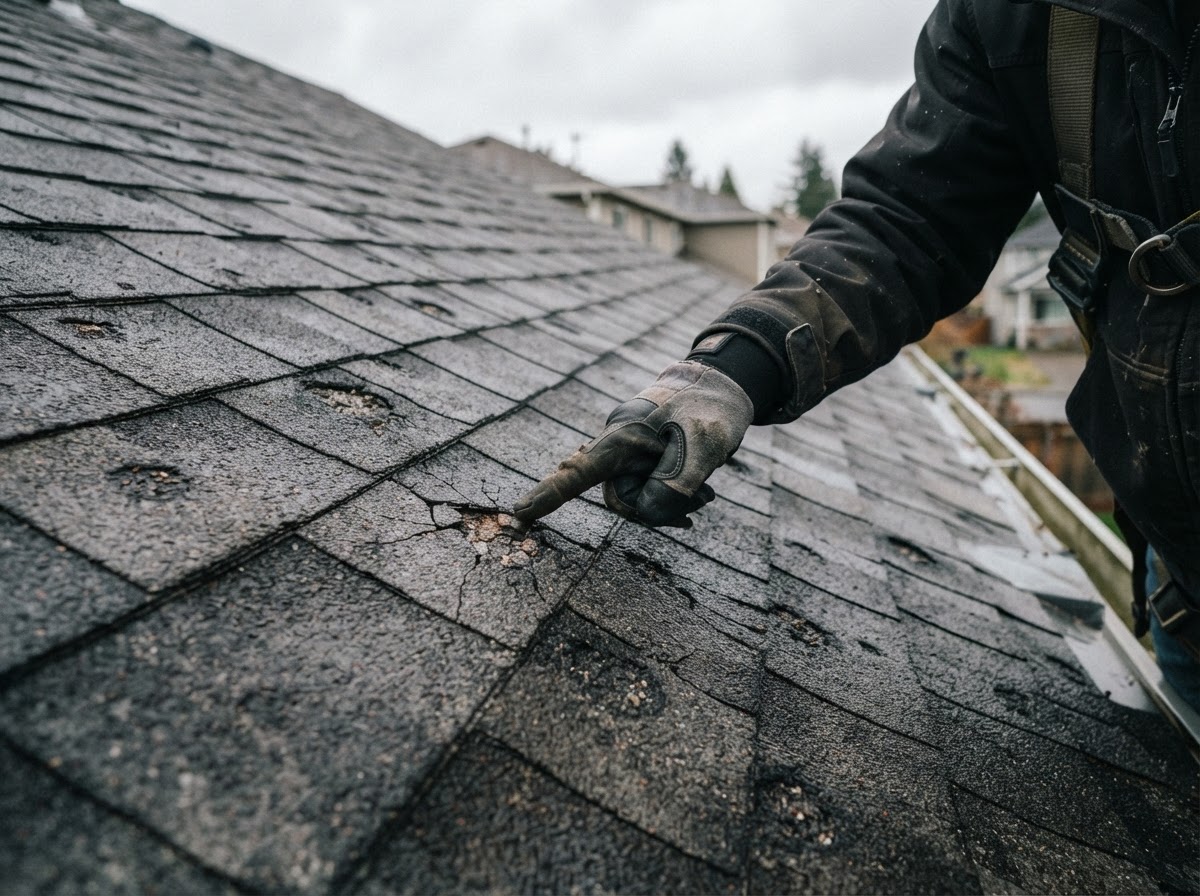
This is the step most homeowners skip, and it's the one that costs them the most. A roofing contractor who inspects storm damage regularly will find damage an adjuster might miss on a quick pass, and will document it in a way insurance companies recognize. Walking into a claim with your own inspection report and photos in hand puts you in a completely different negotiating position than walking in with nothing.
Review your policy before filing.
Know your deductible, whether your policy covers full replacement or actual cash value (which factors in the roof's age and depreciation), and your filing deadline — these details vary by insurer and by state, so check your specific policy rather than assuming.
How the Insurance Claim Process Actually Works
File the claim.
Contact your insurance company and report the damage. Have your inspection report, photos, and policy number ready.
The adjuster inspection.
Your insurance company will send an adjuster to inspect the roof, usually within a week or two of filing. This is where having your own contractor's documentation matters most — adjusters see dozens of roofs a week and don't always catch everything, especially damage that's subtle from the ground.
Compare the adjuster's scope to your contractor's scope.
If your roofing contractor's inspection found damage the adjuster's report didn't include, this is normal, and it's addressable. A reputable contractor can request a reinspection or submit a supplement with additional documentation. This is one of the most valuable things a local, experienced roofer does for you during a claim.
Claim approval and settlement.
Once the scope is agreed upon, your insurer issues a settlement, often in two payments if your policy is actual cash value (an initial payment, then a final payment once the work is complete and depreciation is recovered).
Choose your contractor and schedule the work.
You are not required to use any contractor your insurance company recommends. This is your decision, and it should go to someone who will do the work to the standard your policy is paying for.
Mistakes That Cost Homeowners Money on Storm Claims
Waiting too long to report damage.
Most policies have a filing deadline, and damage that sits unaddressed can also be used to argue it worsened due to neglect rather than the storm itself.
Skipping the independent inspection.
Relying solely on the adjuster's assessment means you only see what they saw, which isn't always the full picture.
Signing a contract before the claim is settled.
Reputable contractors will scope the work and wait for the claim outcome, not pressure you to sign before you know what's covered.
Not documenting before cleanup.
Once debris is cleared and repairs are underway, disputing a lowball scope becomes much harder.
Assuming a small claim isn't worth filing.
Even damage that seems minor now can shorten the life of a roof significantly, turning a covered storm claim into an out-of-pocket replacement a few years later.
Why a Local Inspection Matters
A contractor who works storm claims regularly across Louisville, Southern Indiana, Northern Kentucky, and Greater Cincinnati has seen how local adjusters and local insurers typically handle these claims, and knows what documentation tends to get supplements approved versus denied. That local, repeated experience is different from a one-time inspection from someone unfamiliar with how claims get handled in this region.
Frequently Asked Questions
Do I need a roof inspection before filing an insurance claim?
It's not required, but it puts you in a much stronger position. An independent inspection documents damage in detail before an adjuster's single visit, which helps if the initial claim assessment misses something.
How long do I have to file a storm damage claim?
Filing deadlines vary by insurance company and policy, often ranging from a few months to a year after the storm. Check your specific policy or ask your insurer directly, since assuming the wrong deadline can cost you the claim entirely.
Will my insurance rates go up if I file a storm damage claim?
Storm and weather-related claims are typically treated differently than at-fault claims like fire or theft, and often have less impact on rates, but this varies by insurer. Ask your agent directly about your specific policy.
What's the difference between actual cash value and replacement cost coverage?
Actual cash value factors in depreciation based on your roof's age, meaning you may receive less than the full replacement cost upfront. Replacement cost coverage pays to replace the roof at today's prices, sometimes with a portion paid after the work is completed. Check your declarations page to see which one your policy includes.
Can I choose my own roofing contractor, or do I have to use the one my insurance company recommends?
You can choose any licensed contractor you want. Insurance companies may suggest contractors, but the decision is yours, and it should go to whoever you trust to do the work correctly.
What if my claim gets denied or the settlement seems too low?
Get a second, independent inspection and ask your contractor to help document a supplement request with additional photos and a detailed scope. Many low or denied claims are successfully revised once more complete documentation is submitted.